
How to Control Nail Brush Quality
What is a nail brush?
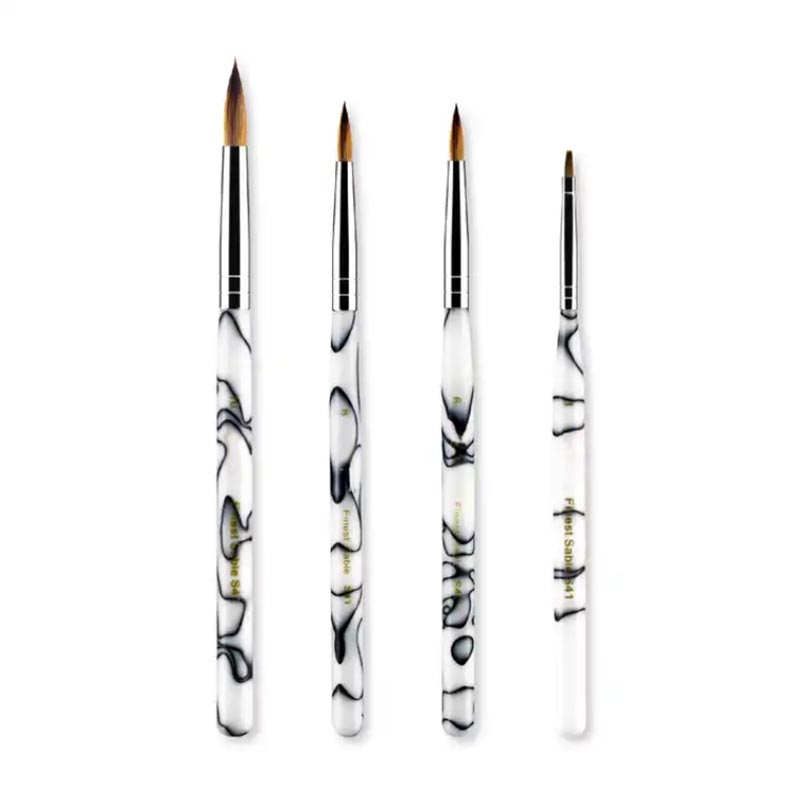
A nail brush is a professional tool used for applying gel, acrylic, and creating detailed nail designs. High-quality brushes ensure precision, durability, and consistent performance.
Introduction
Quality control is one of the most critical factors when sourcing nail brushes. However, many buyers only realize quality issues after receiving the goods.
As a result, they face product returns, customer complaints, and financial losses.
Therefore, understanding how to control nail brush quality before shipment is essential. In this guide, you will learn key inspection methods, quality standards, and how to avoid common defects.
Why Quality Control Matters
First, quality directly affects customer satisfaction. Poor-quality brushes can damage your brand reputation.
In addition, inconsistent quality increases operational risks and costs.
According to international quality management principles explained by International Organization for Standardization, consistent quality control is essential for reliable production.
Key Quality Checks for Nail Brushes
1. Bristle Quality Inspection
First, check the bristles carefully:
- Are they soft but firm?
- Do they return to shape?
- Are there loose or broken hairs?
2. Ferrule Strength Test
Next, check the ferrule (metal part):
- Is it tightly fixed?
- Does it feel stable?
A weak ferrule can cause shedding and reduce durability.
3. Handle Quality
Then, inspect the handle:
- Smooth surface
- Strong connection
- No cracks or defects
4. Shape Consistency
In addition, check whether all brushes have consistent shape and size.
Inconsistent products indicate poor production control.
5. Adhesive Strength
Finally, check how well the bristles are fixed inside the ferrule.
According to bonding strength concepts explained by Adhesion, weak bonding leads to product failure.
When to Do Quality Inspection
Quality checks should be done at multiple stages:
- Before production (sample approval)
- During production (process inspection)
- Before shipment (final inspection)
This reduces the risk of receiving defective products.
Third-Party Inspection vs Self-Inspection
You have two options:
1. Self-Inspection
- Lower cost
- Requires experience
2. Third-Party Inspection
- More reliable
- Higher cost
Choose based on your order size and risk level.
Common Quality Problems
Many buyers encounter these issues:
- Brush shedding
- Shape deformation
- Weak glue
- Inconsistent quality
As a result, these problems lead to customer complaints and returns.
How to Work with a Reliable Manufacturer
To ensure stable quality:
- Choose experienced suppliers
- Confirm quality standards clearly
- Request samples before bulk orders
- Maintain clear communication
We follow strict OEM nail brush quality control standards to ensure consistent production.
Quality Control Checklist
Before shipment, confirm:
- Bristles are secure
- Shape is consistent
- No visible defects
- Packaging is correct
You can also learn how to choose a reliable supplier before placing orders.
Why Quality Consistency Matters in B2B
Consistency is more important than one-time quality.
Stable quality ensures:
- Customer satisfaction
- Repeat orders
- Brand reputation
Therefore, long-term success depends on reliable quality control.
FAQ
How can I ensure product quality before shipping?
Request samples and conduct inspections.
Is third-party inspection necessary?
Recommended for large orders.
What is the most important quality factor?
Bristle strength and shedding resistance.
Summary
Controlling nail brush quality requires proper inspection, clear standards, and reliable suppliers. By implementing effective quality control processes, you can reduce risks and ensure consistent product performance.
CTA
Looking for a manufacturer with strict quality control and stable production?
Contact us today for OEM nail brush solutions and samples.