
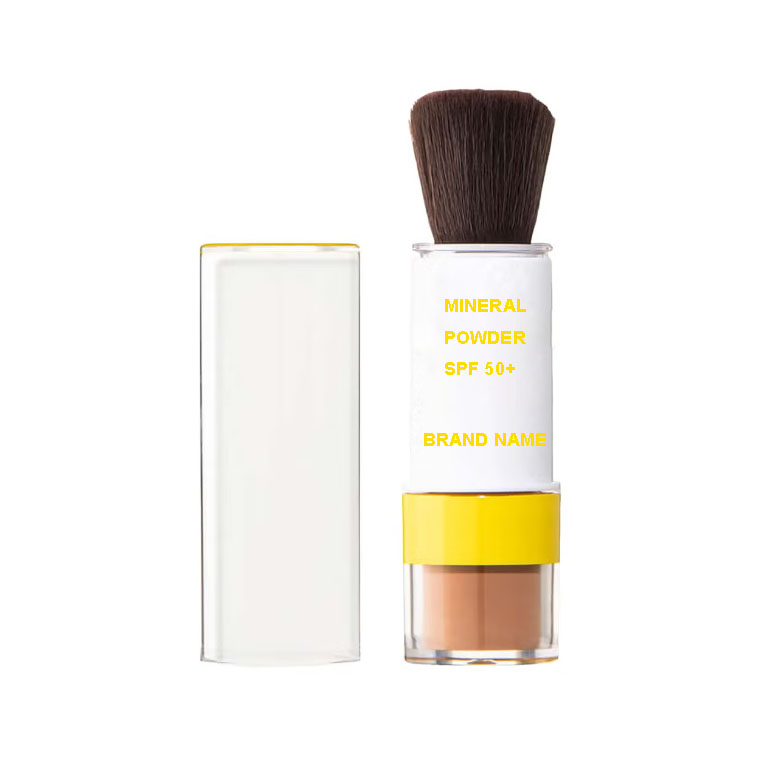
Private Label Cosmetic Packaging Guide: How to Choose the Right Packaging for Beauty Products
Quick Answer
Choosing the right cosmetic packaging for private label beauty products requires evaluating product type, target customers, brand positioning, material quality, customization options, sustainability requirements, cost, and supplier capabilities. Successful beauty brands select packaging that protects formulas, improves user experience, communicates brand value, and supports long-term market positioning.
Key Takeaways
- Cosmetic packaging is not only a container; it is part of your brand identity.
- The right packaging choice depends on your product type, target market, and price positioning.
- Private label brands should balance appearance, functionality, cost, and production feasibility.
- Custom packaging can improve brand recognition and customer trust.
- Working with an experienced packaging manufacturer reduces development risks.
- Sustainable and premium packaging options are becoming increasingly important in global beauty markets.
Reading Time
Approximately 15 minutes
Table of Contents
- Why Cosmetic Packaging Matters for Private Label Brands
- Understanding Different Types of Cosmetic Packaging
- How to Match Packaging with Your Brand Positioning
- Packaging Materials Comparison
- How to Choose Packaging Based on Product Type
- Customization Options for Beauty Brands
- Luxury vs Standard Cosmetic Packaging
- Sustainable Packaging Trends
- Choosing the Right Packaging Supplier
- Packaging Cost Factors
- Common Mistakes When Choosing Packaging
- Private Label Packaging Checklist
- FAQ
Introduction
In the beauty industry, packaging is often the first interaction between customers and a product.
Before customers test the formula, they see:
- The bottle design
- The color
- The texture
- The opening experience
- The overall presentation
For private label beauty brands, packaging plays an even more important role because it helps transform a standard product into a recognizable brand.
A well-designed package can communicate:
- Premium quality
- Professional performance
- Brand values
- Target customer positioning
On the other hand, poor packaging decisions can increase costs, create logistics problems, and negatively affect customer perception.
Whether you are launching:
- Makeup products
- Nail care products
- Skincare products
- Hair care products
- Beauty tools
choosing the right packaging strategy is a critical part of building a successful private label brand.
Why Cosmetic Packaging Matters for Private Label Brands
Many new beauty entrepreneurs focus heavily on product formulas while underestimating packaging.
However, packaging influences several important business factors.
1. Packaging Creates Brand Recognition
In crowded beauty markets, customers often see hundreds of similar products.
Unique packaging helps customers remember your brand.
Examples:
A luxury brand may use:
- Glass containers
- Metallic finishes
- Minimalist design
- Premium textures
A professional salon brand may prefer:
- Durable materials
- Functional designs
- Easy-to-use packaging
A beginner-focused brand may choose:
- Bright colors
- Simple instructions
- Affordable formats
2. Packaging Influences Purchase Decisions
Beauty products are highly visual.
Customers often evaluate:
- Does the product look trustworthy?
- Does it match my lifestyle?
- Does it feel premium?
- Does the packaging justify the price?
For online sellers, packaging becomes even more important because customers cannot physically touch the product before purchase.
3. Packaging Protects Product Quality
Good packaging must do more than look attractive.
It must protect:
- Product stability
- Hygiene
- Transportation safety
- User experience
Different formulas require different packaging solutions.
For example:
| Product Type | Packaging Requirement |
|---|---|
| Liquid foundation | Leak-proof container |
| Loose powder | Controlled dispensing |
| Nail polish | Chemical-resistant bottle |
| Cream products | Airless protection |
| Beauty tools | Protective packaging |
Expert Insight: Packaging Should Start With Product Strategy
A common mistake among new private label brands is choosing packaging based only on appearance.
Professional brands usually consider packaging at the beginning of product development.
The correct order is:
Target Customer → Product Positioning → Formula/Product → Packaging → Branding → Marketing
This approach reduces redesign costs and creates a more consistent brand experience.
Understanding Different Types of Cosmetic Packaging
Private label beauty products use many different packaging formats.
The best choice depends on:
- Product category
- Brand positioning
- Customer expectations
- Budget
- Sales channel
1. Bottles
Commonly used for:
- Foundation
- Serum
- Cleanser
- Hair products
- Liquid cosmetics
Materials:
- Glass
- PET plastic
- HDPE plastic
- Aluminum
Advantages:
✔ Easy to customize
✔ Suitable for many formulas
✔ Available in different price levels
2. Jars
Common for:
- Creams
- Masks
- Balms
- Nail care products
Advantages:
✔ Premium appearance
✔ Easy product access
✔ Suitable for luxury positioning
Disadvantages:
- Less hygienic compared with airless packaging for some formulas.
3. Tubes
Used for:
- Hand cream
- Facial cream
- Gel products
- Professional salon products
Advantages:
✔ Lightweight
✔ Lower shipping cost
✔ Easy application
4. Compact Packaging
Popular for:
- Powder products
- Blush
- Highlighter
- Eyeshadow
Important factors:
- Mirror quality
- Closure strength
- Interior design
5. Beauty Tool Packaging
For products such as:
- Makeup brushes
- Nail brushes
- Beauty sponges
Packaging options include:
- Paper boxes
- Display boxes
- Gift boxes
- Protective sleeves
For professional beauty tools, packaging should protect the product while supporting brand presentation.
Packaging Format Comparison
| Packaging Type | Best For | Brand Position |
|---|---|---|
| Glass Bottle | Premium skincare | Luxury |
| Plastic Bottle | Everyday beauty | Mass market |
| Airless Pump | High-value formulas | Professional |
| Tube | Cream products | Practical |
| Gift Box | Beauty sets | Premium |
Internal Links Recommended
Add links naturally:
- How to Build Your Own Nail Brush Brand
- Custom Nail Brush Set for Brands
- Private Label vs OEM Nail Brushes: What’s the Difference?
- Custom Packaging Solutions for Beauty Brands
- How to Choose a Reliable Beauty Product Manufacturer
How to Match Cosmetic Packaging With Your Brand Positioning
Choosing cosmetic packaging should always start with your brand strategy.
Many new private label beauty brands make the mistake of selecting packaging only because it looks attractive. However, successful brands choose packaging that supports their:
- Target customers
- Product pricing
- Brand story
- Sales channels
- Market positioning
The same product can create completely different customer perceptions depending on the packaging design.
Luxury Beauty Packaging Strategy
Luxury beauty brands compete through:
- Premium appearance
- Emotional connection
- Brand experience
- Perceived value
Typical luxury packaging features include:
- Glass containers
- Metallic finishes
- Custom shapes
- Magnetic closures
- Embossed logos
- Premium gift boxes
- Minimalist design
Luxury customers usually expect packaging that feels special before they even use the product.
Example Luxury Packaging Elements
| Element | Luxury Effect |
|---|---|
| Heavy glass | Premium feeling |
| Gold/silver details | High-end appearance |
| Soft-touch coating | Better user experience |
| Custom box | Stronger brand identity |
| Magnetic closure | Premium opening experience |
Professional Beauty Packaging Strategy
Professional users, such as nail salons, makeup artists, and beauty technicians, usually prioritize:
- Functionality
- Durability
- Efficiency
- Consistent performance
Professional packaging should focus on:
- Easy storage
- Protection during frequent use
- Clear product identification
- Practical design
For example, a professional nail brush brand may prefer:
- Protective caps
- Strong cartons
- Organized brush sets
- Durable materials
Mass Market Beauty Packaging Strategy
Brands targeting everyday consumers usually focus on:
- Affordable cost
- Attractive appearance
- Convenience
- Easy distribution
Common packaging choices:
- Lightweight plastic
- Simple printing
- Standard shapes
- Efficient shipping formats
The goal is to balance appearance and cost efficiency.
Brand Positioning Comparison Table
| Brand Position | Packaging Priority | Recommended Materials |
|---|---|---|
| Luxury | Premium experience | Glass, metal, custom packaging |
| Professional | Durability and function | Aluminum, strong plastic, protective boxes |
| Mid-range | Balance of cost and appearance | PET, acrylic, mixed materials |
| Entry-level | Cost efficiency | Standard plastic |
Cosmetic Packaging Materials Comparison
The material you choose affects:
- Appearance
- Cost
- Durability
- Sustainability
- Shipping
- Customer perception
Glass Packaging
Glass is widely used in premium skincare and cosmetic products.
Advantages
✔ Premium appearance
✔ Excellent chemical resistance
✔ Recyclable
✔ Creates luxury perception
Disadvantages
✖ Higher cost
✖ Heavier shipping weight
✖ Higher breakage risk
Best for:
- Luxury skincare
- Premium serums
- High-end beauty products
Plastic Packaging
Plastic remains one of the most commonly used cosmetic packaging materials.
Common types include:
- PET
- PP
- PE
- ABS
Advantages
✔ Lightweight
✔ Cost-effective
✔ Flexible design options
✔ Lower shipping cost
Disadvantages
✖ May have lower premium perception
✖ Sustainability concerns depending on material
Best for:
- Mass-market products
- Beauty tools
- Travel products
Aluminum Packaging
Aluminum is increasingly popular in professional and sustainable beauty products.
Advantages
✔ Lightweight
✔ Durable
✔ Premium appearance
✔ Recyclable
Common applications:
- Cream tubes
- Spray containers
- Professional beauty products
Packaging Material Comparison Table
| Material | Cost | Premium Feel | Durability | Sustainability |
|---|---|---|---|---|
| Glass | High | Excellent | Medium | High |
| Plastic | Low-Medium | Medium | High | Depends on type |
| Aluminum | Medium-High | High | Excellent | High |
| Paper | Low-Medium | Medium | Medium | High |
How to Choose Packaging Based on Product Type
Different beauty products require different packaging solutions.
Skincare Products
Examples:
- Serum
- Cream
- Lotion
- Cleanser
Recommended packaging:
- Airless pumps
- Glass bottles
- Dropper bottles
- Tubes
Important considerations:
- Formula protection
- Hygiene
- Dispensing control
Makeup Products
Examples:
- Foundation
- Powder
- Blush
- Eyeshadow
Recommended packaging:
- Compact cases
- Pump bottles
- Jars
- Palettes
Important considerations:
- Visual appeal
- Portability
- User convenience
Nail Care Products
Examples:
- Nail polish
- Nail treatment
- Nail tools
Recommended packaging:
- Chemical-resistant bottles
- Brush protection
- Retail-ready boxes
Important considerations:
- Durability
- Professional appearance
- Shelf presentation
Beauty Tools
Examples:
- Makeup brushes
- Nail brushes
- Sponges
Recommended packaging:
- Paper boxes
- Display packaging
- Protective sleeves
- Custom gift boxes
Important considerations:
- Product protection
- Brand presentation
- Retail display
OEM Cosmetic Packaging Development Process
Professional packaging development usually follows several stages.
Step 1: Define Product Requirements
Before contacting suppliers, prepare:
- Product type
- Target market
- Packaging style
- Expected quantity
- Budget range
Step 2: Select Packaging Structure
Choose:
- Shape
- Material
- Size
- Color
- Closure type
Step 3: Create Design Artwork
Prepare:
- Logo
- Brand colors
- Printing requirements
- Label information
Step 4: Sample Development
Evaluate:
- Appearance
- Functionality
- Material quality
- Compatibility with product
Step 5: Mass Production
After approval:
- Production begins
- Quality inspection is completed
- Packaging is shipped
Packaging Development Timeline
| Stage | Estimated Time |
|---|---|
| Design discussion | 1–2 weeks |
| Sample production | 1–3 weeks |
| Revision | 1–2 weeks |
| Mass production | 3–8 weeks |
Actual timing depends on customization level, order quantity, and supplier capacity.
Manufacturer’s Insight
For private label beauty brands, packaging decisions should consider future growth.
A common challenge is selecting packaging that looks attractive but cannot scale economically when order volumes increase.
Professional manufacturers usually recommend evaluating:
- Current budget
- Future production volume
- Shipping requirements
- Market expansion plans
Common Packaging Selection Mistakes
Avoid these problems:
1. Choosing Packaging Before Understanding Customers
A luxury customer and a professional salon buyer have different expectations.
2. Ignoring Shipping Costs
Heavy packaging can significantly increase international freight expenses.
3. Over-Customizing Too Early
Fully customized molds and designs can require higher investment.
4. Forgetting Product Compatibility
Packaging must work with the formula.
Incorrect material selection can affect:
- Product stability
- Shelf life
- User experience
5. Selecting Suppliers Only by Price
Low-cost packaging may create:
- Quality issues
- Higher defect rates
- Brand reputation problems
Internal Links Recommended
Add these links:
- How to Choose a Reliable Nail Brush Manufacturer for Your Brand
- Private Label Nail Brushes vs OEM Nail Brushes
- How to Control Nail Brush Quality
- Custom Nail Brush Packaging Guide
- How to Build Your Own Nail Brush Brand
Sustainable Cosmetic Packaging Trends for Private Label Beauty Brands
Sustainability has become an increasingly important factor in beauty packaging decisions.
Consumers, retailers, and distributors are paying more attention to:
- Material choices
- Packaging waste
- Recycling options
- Environmental impact
For private label beauty brands, sustainable packaging is not only an environmental decision—it can also become a powerful brand positioning strategy.
Why Sustainable Packaging Matters
Modern beauty consumers increasingly expect brands to demonstrate responsibility.
Sustainable packaging can help brands:
- Build customer trust
- Improve brand image
- Meet retailer expectations
- Differentiate from competitors
However, sustainability should always balance:
- Environmental impact
- Product protection
- Manufacturing feasibility
- Cost
The most sustainable packaging is not necessarily the one with the lowest material usage. It is the packaging that protects the product while reducing unnecessary waste throughout its lifecycle.
Common Sustainable Packaging Options
Recyclable Plastic
Many beauty brands use recyclable plastics such as:
- PET
- PP
- HDPE
Advantages:
✔ Lightweight
✔ Lower shipping impact
✔ Cost-effective
✔ Widely recyclable in many markets
Aluminum Packaging
Aluminum is increasingly popular because it offers:
- High recyclability
- Long durability
- Premium appearance
Common applications:
- Tubes
- Containers
- Professional beauty products
Paper-Based Packaging
Paper packaging is widely used for:
- Outer boxes
- Gift packaging
- Retail displays
Advantages:
✔ Renewable material options
✔ Custom printing possibilities
✔ Good branding surface
Refillable Packaging
Refill systems are becoming more popular in premium beauty markets.
Benefits:
- Reduced packaging waste
- Stronger customer loyalty
- Premium brand experience
Sustainable Packaging Comparison
| Packaging Option | Sustainability | Cost | Best Application |
|---|---|---|---|
| Recyclable Plastic | Medium-High | Low-Medium | Mass beauty products |
| Aluminum | High | Medium | Premium/professional products |
| Paper Packaging | High | Low-Medium | Outer packaging |
| Refillable System | Very High | Higher | Luxury brands |
How Much Does Private Label Cosmetic Packaging Cost?
The cost of cosmetic packaging varies significantly depending on:
- Material
- Design complexity
- Order quantity
- Printing method
- Customization level
- Packaging structure
There is no universal price because every project has different requirements.
Main Cost Factors
1. Packaging Material
Material selection directly affects pricing.
Generally:
- Standard plastic = lower cost
- Glass = higher cost
- Aluminum = medium to high cost
- Custom materials = higher investment
2. Customization Level
Simple customization:
- Logo printing
- Color adjustment
- Label application
Usually requires lower investment.
Advanced customization:
- Custom molds
- Unique shapes
- Special finishes
Requires higher development costs.
3. Order Quantity (MOQ)
Larger quantities usually reduce unit costs because:
- Setup costs are distributed
- Production efficiency improves
- Material purchasing becomes more economical
4. Printing and Decoration
Common decoration methods:
- Silk screen printing
- UV printing
- Hot stamping
- Foil stamping
- Embossing
- Frosted coating
Each method creates a different visual effect and cost structure.
Example Cost Structure
The following example demonstrates how packaging costs are usually calculated.
| Cost Item | Example Factor |
|---|---|
| Container | Material and size |
| Decoration | Logo and printing method |
| Cap/Pump | Structure complexity |
| Outer Box | Paper quality and printing |
| Assembly | Labor requirements |
| Shipping | Weight and volume |
Actual costs depend on specifications and order quantity.
How to Choose a Reliable Cosmetic Packaging Supplier
Selecting the right supplier is one of the most important decisions for private label brands.
A good packaging supplier should provide:
- Product development support
- Material knowledge
- Quality control
- Customization capability
- Stable production capacity
- Export experience
Supplier Evaluation Checklist
Before selecting a supplier, evaluate:
Manufacturing Capability
Ask:
- Do you manufacture in-house?
- What products do you specialize in?
- What customization options are available?
Quality Control
Confirm:
- Inspection procedures
- Defect management
- Sample approval process
- Production monitoring
Communication
A reliable supplier should:
- Respond clearly
- Provide accurate information
- Explain limitations honestly
- Keep production updates transparent
Export Experience
International suppliers should understand:
- Export documentation
- Packaging requirements
- International shipping
- Regional compliance needs
Supplier Comparison Framework
| Evaluation Factor | Importance |
|---|---|
| Product quality | ⭐⭐⭐⭐⭐ |
| Customization ability | ⭐⭐⭐⭐⭐ |
| Communication | ⭐⭐⭐⭐⭐ |
| Price | ⭐⭐⭐⭐ |
| Production capacity | ⭐⭐⭐⭐ |
| Export experience | ⭐⭐⭐⭐ |
Price matters, but it should not be the only decision factor.
B2B Buyer Decision Framework
Professional buyers usually evaluate suppliers based on five areas:
1. Product Quality
Can the supplier consistently deliver the required standard?
2. Customization Capability
Can they support your future product development?
3. Reliability
Can they maintain:
- Delivery schedules
- Quality consistency
- Communication standards
4. Cost Efficiency
Does the supplier provide reasonable value instead of simply the lowest price?
5. Long-Term Partnership
Can the supplier support your brand as it grows?
Expert Tip: Think Beyond the First Order
Many brands focus only on their first purchase.
However, a good supplier relationship should support:
- New product launches
- Packaging upgrades
- Market expansion
- Cost optimization
Choosing a supplier that can grow with your brand reduces future switching costs.
Private Label Cosmetic Packaging Checklist
Before confirming production, review:
Product Requirements
☐ Product category confirmed
☐ Packaging format selected
☐ Material approved
☐ Size confirmed
Branding
☐ Logo finalized
☐ Colors confirmed
☐ Artwork approved
☐ Printing method selected
Production
☐ MOQ confirmed
☐ Sample approved
☐ Quality standards defined
☐ Lead time confirmed
Logistics
☐ Packaging dimensions confirmed
☐ Carton details approved
☐ Shipping method selected
☐ Export documents prepared
Internal Links Recommended
Add:
- How to Choose a Reliable Nail Brush Supplier
- Custom Nail Brush Set for Brands
- How to Build Your Own Nail Brush Brand
- Top Mistakes When Buying Beauty Products in Bulk
- How to Control Product Quality Before Mass Production
Frequently Asked Questions (FAQ)
1. What is private label cosmetic packaging?
Private label cosmetic packaging refers to packaging solutions that allow beauty brands to sell products under their own brand name. Depending on the supplier, brands can customize elements such as logo, colors, materials, shapes, and packaging design.
Private label packaging helps businesses create a unique market identity without developing every component from zero.
2. How do I choose the right cosmetic packaging for my brand?
The right packaging depends on:
- Product type
- Target customers
- Brand positioning
- Budget
- Sales channel
- Sustainability goals
Luxury brands may prioritize premium materials and unique designs, while professional brands may focus more on durability and functionality.
3. What is the difference between standard packaging and custom cosmetic packaging?
Standard packaging uses existing designs and requires fewer modifications.
Custom cosmetic packaging allows brands to personalize:
- Shape
- Color
- Logo
- Printing
- Material
- Structure
Custom packaging creates stronger differentiation but usually requires higher minimum quantities and longer development times.
4. What MOQ is required for custom cosmetic packaging?
MOQ depends on:
- Packaging type
- Material
- Customization level
- Supplier production requirements
Standard packaging usually has lower MOQ requirements, while custom molds or special designs often require larger quantities.
Always confirm MOQ before starting a project.
5. How long does custom cosmetic packaging production take?
Production time varies depending on:
- Design complexity
- Sample approval process
- Material availability
- Order quantity
A typical process includes:
- Design confirmation
- Sample production
- Approval
- Mass production
- Quality inspection
- Shipping
6. What materials are best for luxury cosmetic packaging?
Luxury brands commonly use:
- Glass
- Aluminum
- Premium acrylic
- High-quality paper packaging
The best material depends on product requirements, brand positioning, and customer expectations.
7. Is sustainable cosmetic packaging more expensive?
Sustainable packaging can sometimes have a higher initial cost because of:
- Material selection
- Manufacturing processes
- Certification requirements
However, many brands consider it a valuable investment because it supports stronger brand positioning and customer trust.
8. Can I customize cosmetic packaging with my own logo?
Yes.
Common logo customization methods include:
- Silk screen printing
- UV printing
- Hot stamping
- Embossing
- Laser engraving
The best method depends on the packaging material and desired appearance.
9. How can I find a reliable cosmetic packaging supplier?
Look for suppliers with:
- Manufacturing experience
- Quality control systems
- Customization capability
- Export experience
- Clear communication
Request samples before placing large production orders.
10. Should I choose a packaging supplier or a full-service beauty manufacturer?
It depends on your business model.
A packaging supplier focuses mainly on containers and packaging solutions.
A full-service beauty manufacturer may provide:
- Product development
- Packaging sourcing
- Manufacturing
- Quality control
- Export support
Brands launching complete private label products may benefit from working with an integrated manufacturing partner.
Conclusion
Choosing the right cosmetic packaging is one of the most important decisions when building a private label beauty brand.
Packaging influences:
- Customer perception
- Brand recognition
- Product protection
- Retail performance
- Long-term business growth
The best packaging solution is not necessarily the most expensive option. Successful brands select packaging that matches their target market, product requirements, and growth strategy.
A professional packaging partner can help you balance:
- Design
- Quality
- Cost
- Functionality
- Sustainability
By making informed packaging decisions from the beginning, private label beauty brands can create stronger products and build lasting customer trust.
Ready to Develop Your Private Label Beauty Packaging?
At Yana Cosmetic Official Website, we support beauty brands, distributors, salons, and retailers with customized beauty product solutions.
Our capabilities include:
- Private label beauty products
- Custom packaging solutions
- OEM/ODM manufacturing
- Logo customization
- Product development support
- Quality inspection
- Global export service
Whether you are launching a new beauty brand or expanding an existing product line, our team can help transform your concept into a market-ready product.
Contact us to discuss your packaging requirements, request samples, and receive a customized quotation.