
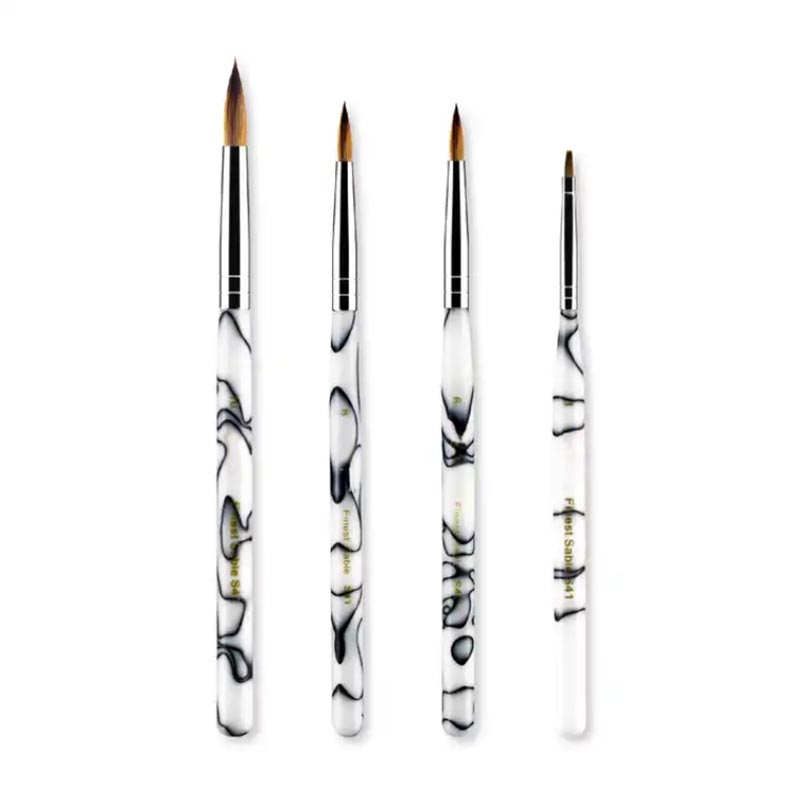
How to Build Your Own Nail Brush Brand: The Complete Guide for Beauty Entrepreneurs
Quick Answer
If you want to build your own nail brush brand, start by identifying your target market, selecting a reliable manufacturer, choosing between private label and OEM production, designing your branding and packaging, testing product samples, and creating a long-term marketing strategy. Most successful startups begin with a small collection of high-demand brushes before expanding into a broader product range.
Estimated Reading Time: 14–16 minutes
Last Updated: July 2026
Key Takeaways
- Define your target audience before selecting products.
- Decide whether private label or OEM manufacturing best fits your business goals.
- Invest in product quality, packaging, and consistent branding instead of competing on price alone.
- Always test samples before placing mass production orders.
- Build long-term partnerships with experienced manufacturers that provide quality control and customization support.
- Develop a content and marketing strategy to support your product launch and long-term brand growth.
Table of Contents
- Why Start a Nail Brush Brand?
- Understanding the Nail Brush Market
- Private Label vs OEM Manufacturing
- Choosing Your Product Collection
- Finding the Right Manufacturer
- Designing Your Brand Identity
- Product Customization
- Packaging Solutions
- Sample Evaluation
- Marketing Your Brand
- Common Mistakes
- Brand Launch Checklist
- Frequently Asked Questions
Why Build Your Own Nail Brush Brand?
The beauty industry has evolved rapidly over the last decade. Consumers no longer purchase products solely because they are inexpensive—they look for brands they can trust, products with consistent quality, and companies that provide a professional customer experience.
For this reason, many beauty entrepreneurs, salon owners, distributors, and online retailers are creating their own private label nail brush brands instead of selling generic products.
Launching your own brand provides several long-term advantages:
- Greater control over product positioning
- Higher profit margins compared with generic products
- Stronger customer loyalty
- Better pricing flexibility
- Opportunities to expand into additional beauty categories
Unlike trading unbranded products, building your own brand creates a business asset that can continue generating value over time.
Understanding the Nail Brush Market
Before developing a product, it is essential to understand the market you plan to serve.
Today’s nail brush industry includes several customer groups:
| Customer Type | Primary Needs |
|---|---|
| Professional nail salons | Durable brushes, consistent quality, bulk purchasing |
| Independent nail artists | Precision, comfort, premium performance |
| Beauty distributors | Competitive pricing, stable supply, customization |
| E-commerce sellers | Attractive packaging, branding, low shipping costs |
| Beauty academies | Reliable products for training and education |
Each customer group evaluates products differently. A salon purchasing hundreds of brushes each month may prioritize durability and consistency, while an online retailer may place greater emphasis on packaging and branding.
Understanding these differences helps you create a product range that matches your target audience instead of trying to appeal to everyone.
Industry Insight
The global nail care market continues to expand as demand for professional nail services, home nail products, and premium beauty tools increases. Industry reports from organizations such as Grand View Research and Fortune Business Insights indicate continued growth in nail care and beauty accessories, driven by consumer interest in premium products and evolving beauty trends.
For entrepreneurs, this means that success increasingly depends on offering differentiated products, consistent quality, and a recognizable brand rather than competing on price alone.
Step 1: Define Your Brand Positioning
One of the most common mistakes new businesses make is trying to sell to every customer.
Instead, identify a clear market position before developing products.
Examples include:
Professional Salon Brand
Focus on:
- High-performance brushes
- Ergonomic handles
- Long service life
- Bulk purchasing options
Luxury Beauty Brand
Prioritize:
- Premium materials
- Elegant packaging
- Sophisticated color palettes
- High-end customer experience
Budget-Friendly Brand
Emphasize:
- Reliable quality
- Affordable pricing
- Practical product selection
- Fast replenishment
Eco-Conscious Brand
Consider:
- FSC-certified wooden handles (where applicable)
- Recyclable packaging
- Reduced plastic use
- Sustainable branding
Choosing one clear positioning makes it easier to design products, communicate your value, and attract the right customers.
Expert Insight from a Manufacturer
Based on our experience working with international beauty brands, many successful startups begin with three to five core products rather than launching a large catalog.
A focused product range simplifies inventory management, reduces development costs, and allows brands to collect customer feedback before expanding. Once demand is validated, additional brush types, packaging options, and complementary beauty tools can be introduced more confidently.
This phased approach is often more sustainable than investing heavily in dozens of products before understanding market preferences.
Comparison: Generic Products vs Building Your Own Brand
| Feature | Generic Products | Private Label Brand |
|---|---|---|
| Brand recognition | Low | High |
| Customer loyalty | Limited | Stronger |
| Pricing flexibility | Low | Higher |
| Long-term business value | Limited | Greater |
| Product differentiation | Minimal | Significant |
| Repeat purchase potential | Lower | Higher |
For businesses planning long-term growth, building a recognizable brand generally provides more opportunities than selling unbranded products alone.
🔗 Recommended Internal Links
- Private Label vs OEM Nail Brushes: What’s the Difference?
- Ultimate Nail Brush Buying Guide for Beginners
- How to Choose a Reliable Nail Brush Manufacturer for Your Brand
- How to Customize Nail Brushes with Logo
Step 2:Choose Between Private Label and OEM Manufacturing
Selecting the right manufacturing model is one of the most important decisions when building your nail brush brand. While both private label and OEM manufacturing allow you to sell products under your own brand, they differ significantly in customization, investment, production time, and long-term brand value.
Understanding these differences helps you choose a strategy that aligns with your business goals and budget.
What Is Private Label?
Private label manufacturing means selecting an existing brush design from a manufacturer’s catalog and selling it under your own brand.
Typically, you can customize:
- Logo printing
- Product packaging
- Labels
- Color options (depending on the manufacturer)
Since the brush structure already exists, production can begin relatively quickly.
Private label is often suitable for:
- Startups
- Small beauty brands
- Amazon sellers
- Boutique salons
- Businesses testing new markets
👉 Internal Link
Private Label vs OEM Nail Brushes: What’s the Difference?
What Is OEM Manufacturing?
OEM (Original Equipment Manufacturing) gives you much greater control over product development.
Instead of choosing an existing product, you work with the manufacturer to create a brush that matches your specifications.
Customization may include:
- Brush shape
- Bristle material
- Bristle length and density
- Ferrule style and finish
- Handle shape and coating
- Logo application
- Packaging design
- Accessories such as protective caps or storage tubes
OEM allows brands to create products that are difficult for competitors to copy.
Comparison Table
| Feature | Private Label | OEM Manufacturing |
|---|---|---|
| Product Design | Existing design | Fully customized |
| Logo | ✔ | ✔ |
| Packaging | ✔ | ✔ |
| Brush Shape | ✖ | ✔ |
| Handle Design | Limited | ✔ |
| Ferrule Finish | Limited | ✔ |
| Product Exclusivity | Low | High |
| Development Cost | Lower | Higher |
| Production Time | Shorter | Longer |
| Recommended For | New brands | Growing and established brands |
Which Option Is Better for Your Business?
| Business Stage | Recommended Solution |
|---|---|
| New startup | Private Label |
| Online retailer | Private Label |
| Professional salon chain | OEM |
| Distributor | OEM |
| Established beauty brand | OEM |
| Premium luxury brand | OEM |
Many successful companies begin with private label products to validate market demand. As their customer base grows, they transition to OEM products that strengthen brand differentiation.
Manufacturer’s Insight
From our experience working with beauty brands in Europe, North America, and Australia, businesses that start with a focused private label collection often gain market feedback more quickly. Once they understand which brush styles perform best, they invest in OEM customization to build a stronger, more distinctive product line.
This phased approach helps manage risk while supporting long-term brand development.
Step 3: Find a Reliable Nail Brush Manufacturer
The quality of your manufacturing partner has a direct impact on product performance, customer satisfaction, and your brand’s reputation.
A lower purchase price should never be the only factor when selecting a supplier. Inconsistent quality, delayed deliveries, or poor communication can create costs that outweigh any initial savings.
A reliable manufacturer should demonstrate:
- Experience producing nail brushes
- Consistent manufacturing processes
- Clear quality control procedures
- Responsive communication
- OEM and private label capabilities
- Export experience
- Transparent sample process
👉 Internal Link
How to Choose a Reliable Nail Brush Manufacturer for Your Brand
Questions to Ask Before Choosing a Supplier
Prepare a checklist of questions before requesting quotations.
For example:
- How many years have you manufactured nail brushes?
- What customization options are available?
- What are your standard MOQs?
- How long is the production lead time?
- Can you provide production samples?
- What quality inspections are performed?
- Which countries do you regularly export to?
- What packaging options are available?
These questions help you compare suppliers objectively rather than relying only on price.
Warning Signs to Watch For
Be cautious if a supplier:
- Cannot explain its production process
- Refuses to provide samples
- Gives inconsistent answers
- Lacks experience with international exports
- Offers unusually low prices without explaining quality differences
- Is unwilling to discuss quality standards
Reliable suppliers are generally transparent about their capabilities and limitations.
Step 4: Develop Your Product Collection
Launching too many products at once can increase inventory costs and complicate purchasing decisions for customers.
Instead, begin with a carefully selected collection.
A practical starter range might include:
- Acrylic nail brush
- Builder gel brush
- Liner brush
- Detail brush
- Nail brush set
This approach allows you to focus on quality, branding, and customer feedback before expanding.
Product Development Workflow
A structured development process helps reduce errors and improve consistency.
| Stage | Objective |
|---|---|
| Market research | Understand customer demand |
| Product selection | Choose initial brush models |
| Design confirmation | Approve specifications |
| Sample production | Evaluate quality and usability |
| Revisions | Refine product details |
| Mass production | Begin manufacturing |
| Quality inspection | Verify finished products |
| Shipping | Deliver to destination |
Following a clear workflow reduces the likelihood of costly production issues.
Pro Tip
Many first-time brand owners believe they need a large catalog to appear professional. In reality, a smaller, well-curated collection often performs better.
Launching three to five high-quality products allows you to:
- Maintain consistent quality
- Simplify inventory management
- Reduce financial risk
- Build a recognizable brand identity
Expanding gradually based on customer demand is usually a more sustainable strategy.
Cost Considerations
Your manufacturing costs will depend on several factors, including:
- Bristle material
- Ferrule material and finish
- Handle material
- Logo application method
- Packaging type
- Order quantity
- Degree of customization
For example, fully customized OEM products generally involve higher setup costs than private label products, but they can also support stronger product differentiation and long-term brand value.
Rather than focusing solely on the lowest unit price, evaluate the overall value offered by the manufacturer, including quality, service, and reliability.
Common Mistakes When Selecting a Manufacturer
Avoid these common pitfalls:
- Choosing a supplier based only on price
- Skipping sample evaluation
- Ignoring communication quality
- Failing to define product specifications clearly
- Ordering excessive inventory before validating demand
- Overlooking packaging quality
- Not confirming production timelines in writing
Addressing these issues early can help prevent delays and reduce unexpected costs.
Buying Checklist
Before confirming your first production order, verify that you have completed the following:
- ☐ Defined your target market
- ☐ Selected your manufacturing model (Private Label or OEM)
- ☐ Finalized product specifications
- ☐ Approved production samples
- ☐ Confirmed MOQ requirements
- ☐ Agreed on production lead time
- ☐ Approved packaging artwork
- ☐ Established quality inspection requirements
- ☐ Confirmed shipping terms (Incoterms)
- ☐ Reviewed payment terms
This checklist provides a structured approach to reducing risk before mass production.
🔗 Recommended Internal Links
- Private Label vs OEM Nail Brushes: What’s the Difference?
- How to Choose a Reliable Nail Brush Manufacturer for Your Brand
- How to Customize Nail Brushes with Logo
- What Is MOQ for Nail Brushes?
- How to Get Free Samples from Nail Brush Suppliers
- Top Mistakes When Buying Nail Brushes in Bulk
Step 5: Build a Strong Brand Identity
A successful nail brush brand is more than a logo printed on a handle. Customers remember brands because of the experience they deliver, the quality they provide, and the consistency they maintain across every touchpoint.
Your brand identity should clearly communicate who you are, who your products are designed for, and why customers should choose you over competitors.
Before designing your products, define the following elements:
- Brand mission
- Brand values
- Target audience
- Visual identity
- Brand voice
- Unique selling proposition (USP)
For example, a luxury salon brand may emphasize premium materials, elegant packaging, and professional performance, while a beginner-focused brand may highlight affordability, ease of use, and educational support.
A consistent brand identity builds trust and makes your products easier to recognize in a competitive market.
Brand Positioning Examples
| Brand Type | Core Message | Typical Customers |
|---|---|---|
| Professional Salon | High performance and durability | Nail salons, nail technicians |
| Luxury Beauty | Premium quality and elegant design | High-end beauty brands |
| Affordable Everyday | Reliable quality at accessible prices | Beginners and online retailers |
| Eco-Friendly | Sustainable materials and packaging | Environmentally conscious consumers |
Choosing one clear positioning is usually more effective than trying to appeal to every customer.
Step 6: Customize Your Nail Brushes
Product customization is one of the most effective ways to differentiate your brand.
Beyond adding a logo, customization allows you to create products that reflect your brand identity and meet the needs of your target market.
Common customization options include:
Brush Hair
- Premium synthetic fibers
- Mixed synthetic fibers
- Specialty fibers for acrylic or gel application
Note: If you market brushes as using Kolinsky hair, ensure your sourcing and international trade comply with applicable wildlife regulations and import/export requirements.
Handle Design
Options include:
- Wooden handles
- Aluminum handles
- Matte finishes
- Gloss finishes
- Soft-touch coatings
- Custom colors
The handle should be comfortable to hold while reflecting your brand’s aesthetic.
Ferrule Finishes
Popular finishes include:
- Matte black
- Rose gold
- Champagne gold
- Silver
- Gunmetal
High-quality ferrules improve both durability and appearance.
Logo Application
Professional branding methods include:
- Laser engraving
- UV printing
- Hot stamping
- Silk-screen printing
The best option depends on your handle material, production quantity, and desired appearance.
👉 Internal Link
How to Customize Nail Brushes with Logo
Manufacturer’s Insight
When reviewing custom designs, focus on usability as well as appearance.
For example, a thicker handle may look premium but could be uncomfortable for technicians who work long hours. Likewise, a glossy finish may appear attractive in photos but may become slippery when exposed to acetone or gel residue.
Balancing aesthetics with functionality often results in a better user experience and stronger customer satisfaction.
Step 7: Design Packaging That Supports Your Brand
Packaging is often the first physical interaction customers have with your product.
Well-designed packaging protects the brush during shipping while reinforcing your brand image.
Popular packaging options include:
- Paper boxes
- Magnetic gift boxes
- Drawer boxes
- Kraft paper packaging
- PVC display boxes
- Recyclable packaging
For premium brands, thoughtful details such as embossed logos, foil stamping, and custom inserts can enhance perceived value.
Packaging Comparison
| Packaging Type | Advantages | Best For |
|---|---|---|
| Paper Box | Cost-effective, customizable | Most brands |
| Magnetic Box | Premium presentation | Luxury brands |
| Drawer Box | Strong protection | Gift collections |
| Kraft Box | Eco-friendly | Sustainable brands |
| PVC Box | High product visibility | Retail displays |
👉 Internal Link
Custom Nail Brush Packaging Guide
Step 8: Test Samples Before Mass Production
Never approve mass production without carefully evaluating samples.
Sample testing helps identify issues before they affect larger orders.
During evaluation, check:
- Brush flexibility
- Bristle alignment
- Shape retention
- Ferrule strength
- Handle finish
- Logo quality
- Packaging accuracy
Testing products under real working conditions provides more useful feedback than visual inspection alone.
👉 Internal Link
How to Get Free Samples from Nail Brush Suppliers
Quality Inspection Checklist
Use a structured inspection process before approving production.
| Inspection Item | Verify |
|---|---|
| Brush shape | ✔ |
| Hair density | ✔ |
| Loose bristles | ✔ |
| Ferrule attachment | ✔ |
| Handle finish | ✔ |
| Logo quality | ✔ |
| Packaging accuracy | ✔ |
| Carton labeling | ✔ |
Documenting inspection results makes it easier to communicate revisions with your manufacturer.
Case Study (Illustrative Example)
A newly established European beauty brand wanted to introduce its first professional nail brush collection.
Instead of launching twenty products at once, the company focused on five essential brush models:
- Acrylic brush
- Builder gel brush
- Liner brush
- Detail brush
- Brush set
The team invested in consistent branding, premium packaging, and professional product photography before expanding into additional categories.
This phased approach reduced inventory complexity and allowed the brand to refine future product development based on customer feedback.
Note: This example is illustrative and represents a common launch strategy rather than the results of a specific customer.
Industry Statistics
Industry research indicates that consumers increasingly value product quality, branding, and overall customer experience when purchasing beauty tools. Reports from organizations such as Statista, Grand View Research, and Fortune Business Insights continue to highlight growth in premium beauty products and professional nail care.
For emerging brands, this trend suggests that investing in consistent quality and a recognizable brand identity may provide a stronger competitive advantage than competing on price alone.
Expert Tips for New Beauty Brands
Start Small
Launch a focused collection instead of an extensive catalog.
Prioritize Quality
A single high-performing brush can generate stronger word-of-mouth than multiple average products.
Build Long-Term Supplier Relationships
Reliable communication and consistent quality are often more valuable than achieving the lowest purchase price.
Invest in Professional Photography
High-quality product images improve website credibility and support both SEO and conversion.
Create Educational Content
Publishing buying guides, tutorials, and maintenance articles helps establish your brand as a trusted resource while attracting organic traffic.
Common Mistakes to Avoid
Many new beauty brands encounter similar challenges during product development.
Avoid these common mistakes:
- Designing products without researching customer needs
- Selecting suppliers solely based on price
- Ordering large quantities before validating demand
- Ignoring packaging quality
- Inconsistent branding across products and marketing materials
- Skipping product testing
- Neglecting after-sales support
Recognizing these issues early can help reduce costs and strengthen customer satisfaction.
🔗 Recommended Internal Links
- How to Customize Nail Brushes with Logo
- Custom Nail Brush Packaging Guide
- How to Get Free Samples from Nail Brush Suppliers
- How to Control Nail Brush Quality | B2B Quality Inspection Guide
- Top Nail Brush Set for Nail Salons
- Custom Nail Brush Set for Brands
Step 9: Develop a Marketing Strategy Before You Launch
Many new beauty brands spend months perfecting their products but very little time preparing their marketing. As a result, they launch high-quality nail brushes that receive little attention because potential customers simply don’t know they exist.
A successful product launch begins long before production is complete. Your marketing strategy should define how customers will discover your brand, why they should trust it, and what motivates them to place an order.
Rather than relying on a single sales channel, create a marketing plan that combines organic search, social media, email marketing, and B2B outreach.
Build a Professional Website
Your website is your brand’s digital showroom.
For a private label or OEM nail brush business, it should clearly communicate:
- Who you are
- What products you manufacture
- Your customization capabilities
- Your quality standards
- How customers can contact you
Essential website pages include:
- Home
- About Us
- OEM & Private Label Services
- Product Categories
- Blog
- Contact
- Request a Quote
Publishing educational blog articles alongside product pages helps attract visitors who are researching suppliers before making purchasing decisions.
Invest in Content Marketing
High-quality content helps build authority while attracting long-term organic traffic.
Consider publishing articles such as:
- Buying guides
- Product comparisons
- Maintenance tutorials
- Manufacturing insights
- Industry trends
- Frequently asked questions
These topics answer real customer questions and increase the likelihood of being featured in AI-powered search results.
👉 Internal Link
Ultimate Nail Brush Buying Guide for Beginners
Use Social Media Strategically
Different platforms serve different purposes.
| Platform | Primary Goal |
|---|---|
| Product showcase | |
| TikTok | Tutorials and demonstrations |
| Long-term visual discovery | |
| B2B networking | |
| YouTube | Educational content |
Instead of posting only product photos, share educational content, behind-the-scenes production, and practical nail art tips to build trust with potential buyers.
Build an Email List Early
An email list allows you to maintain contact with customers and prospects without depending entirely on social media algorithms.
Useful email campaigns include:
- New product launches
- Educational newsletters
- Seasonal promotions
- Product care guides
- Case studies
- Wholesale updates
Consistent communication helps strengthen customer relationships over time.
Step 10: Create a Sustainable Pricing Strategy
Pricing influences both profitability and brand perception.
Setting prices too low may attract buyers initially, but it can also reduce perceived quality and limit your ability to invest in branding and customer support.
When calculating your pricing, consider:
- Manufacturing cost
- Packaging cost
- Shipping cost
- Marketing expenses
- Platform fees
- Taxes and duties
- Desired profit margin
Pricing Example
| Cost Item | Example |
|---|---|
| Manufacturing | $4.50 |
| Packaging | $1.00 |
| Shipping | $1.20 |
| Marketing | $1.30 |
| Total Cost | $8.00 |
| Suggested Retail Price | $20–28 |
The figures above are illustrative only. Actual costs and retail prices vary depending on product specifications, order quantity, market positioning, and distribution channel.
Premium brands often compete on quality, design, and service rather than price alone.
Step 11: Prepare for Product Launch
A structured launch plan improves organization and helps reduce delays.
Before Production
- Finalize product specifications
- Approve packaging artwork
- Confirm production schedule
- Review quality standards
- Approve production samples
Before Shipping
- Inspect finished products
- Verify packaging accuracy
- Confirm shipping documents
- Review carton labels
- Arrange logistics
Before Sales Begin
- Upload product images
- Publish product pages
- Publish supporting blog articles
- Prepare social media content
- Test inquiry forms
- Confirm email automation
Completing these tasks before launch creates a smoother customer experience.
30-Day Brand Launch Plan
Week 1 — Preparation
- Finalize branding
- Confirm supplier
- Approve samples
- Build website
Week 2 — Content
- Publish core product pages
- Upload blog articles
- Create product photography
- Prepare videos
Week 3 — Promotion
- Publish on Instagram
- Create Pinterest pins
- Share LinkedIn updates
- Contact potential distributors
Week 4 — Optimization
- Monitor website traffic
- Review customer inquiries
- Improve product pages
- Publish additional educational content
Launching gradually allows you to collect feedback and make improvements without overwhelming your team.
Manufacturer’s Insight
Brands that prepare marketing materials before production is completed often launch more efficiently.
In practice, creating product descriptions, images, blog content, and sales materials during production can shorten the time between receiving inventory and opening sales.
This parallel workflow helps businesses enter the market faster while maintaining consistent branding.
Brand Launch Checklist
Use this checklist before introducing your first nail brush collection.
Business
- ☐ Brand name finalized
- ☐ Trademark research completed (if applicable)
- ☐ Target market identified
Product
- ☐ Product specifications approved
- ☐ Samples evaluated
- ☐ Packaging confirmed
- ☐ Logo approved
Manufacturing
- ☐ MOQ confirmed
- ☐ Production schedule approved
- ☐ Quality inspection arranged
Marketing
- ☐ Website completed
- ☐ Product pages published
- ☐ Blog articles published
- ☐ Social media prepared
- ☐ Product photography completed
Sales
- ☐ Pricing finalized
- ☐ Shipping options confirmed
- ☐ Inquiry forms tested
- ☐ Customer service ready
Conclusion
Building your own nail brush brand is a long-term investment rather than a one-time project. Success depends on making informed decisions at every stage—from selecting the right manufacturing model and designing high-quality products to creating consistent branding and implementing an effective marketing strategy.
Whether you choose private label or OEM manufacturing, focus on delivering reliable quality, clear brand positioning, and excellent customer service. These elements create stronger customer trust and support sustainable business growth.
Ready to Build Your Nail Brush Brand?
At Yana Cosmetic, we work with beauty brands, distributors, salons, and retailers around the world to develop professional nail brush solutions through OEM, ODM, and private label manufacturing.
Our services include:
- Custom nail brush development
- Logo printing
- Premium packaging
- Product sampling
- Quality inspection
- Global export support
Whether you are launching your first beauty brand or expanding an existing product line, our team is ready to help you turn your ideas into market-ready products.
Contact us today to discuss your project, request samples, or receive a customized quotation.
Frequently Asked Questions (FAQ)
1. How much does it cost to build your own nail brush brand?
The investment depends on several factors, including product customization, packaging, minimum order quantity (MOQ), shipping, and marketing. Private label projects generally require a lower initial investment than fully customized OEM products.
2. Should I choose Private Label or OEM?
Private label is usually a practical option for startups that want to launch products quickly with lower development costs. OEM manufacturing is better suited to businesses seeking unique product designs, stronger brand differentiation, and greater long-term control over product specifications.
👉 Related Reading
Private Label vs OEM Nail Brushes: What’s the Difference?
3. What is the typical MOQ for custom nail brushes?
MOQ varies by manufacturer and the level of customization. Standard products often have lower MOQs, while custom handles, ferrules, packaging, or brush designs may require larger production quantities.
👉 Related Reading
What Is MOQ for Nail Brushes? Minimum Order Guide for Buyers
4. How long does OEM production usually take?
Production time depends on product complexity, order quantity, material availability, and the manufacturer’s schedule. Always confirm lead times with your supplier before placing an order and allow additional time for sample approval and international shipping.
5. Can I print my own logo on nail brushes?
Yes. Most OEM and private label manufacturers offer logo customization using methods such as laser engraving, UV printing, silk-screen printing, or hot stamping, depending on the handle material and design.
👉 Related Reading
How to Customize Nail Brushes with Logo
6. What materials are commonly used for professional nail brushes?
Professional nail brushes typically use high-quality synthetic fibers, while some specialty brushes may use natural hair where legally sourced and compliant with international trade regulations. Handle materials commonly include wood, aluminum, or acrylic, paired with durable metal ferrules.
7. How do I choose a reliable nail brush manufacturer?
Evaluate manufacturers based on product quality, communication, customization capabilities, export experience, quality control processes, and sample support—not price alone.
👉 Related Reading
How to Choose a Reliable Nail Brush Manufacturer for Your Brand
8. Can I order samples before placing a bulk order?
Most professional manufacturers provide samples so buyers can evaluate product quality, workmanship, and packaging before mass production. Confirm any sample fees, lead times, and shipping arrangements in advance.
9. What should I look for during sample evaluation?
Check the following:
- Brush shape and consistency
- Bristle density and alignment
- Ferrule attachment
- Handle finish
- Logo quality
- Packaging accuracy
- Overall usability during actual application
10. How can I make my nail brush brand stand out?
Successful brands focus on:
- Consistent product quality
- Distinctive branding
- Premium packaging
- Educational content
- Excellent customer support
- Long-term partnerships with reliable manufacturers
Rather than competing only on price, emphasize value, reliability, and customer experience.
Recommended Internal Link Structure
To strengthen topical authority and improve crawlability, link this article naturally to related content across your website.
Manufacturing & Sourcing
- How to Choose a Reliable Nail Brush Manufacturer for Your Brand
- Private Label vs OEM Nail Brushes: What’s the Difference?
- How to Customize Nail Brushes with Logo
- How to Get Free Samples from Nail Brush Suppliers
- What Is MOQ for Nail Brushes?
Product Knowledge
- Best Gel Nail Brushes for Professionals
- Top Nail Brush Set for Nail Salons
- Custom Nail Brush Set for Brands
- Acrylic vs Gel Nail Brushes
- Kolinsky vs Synthetic Nail Brushes
Buying Guides
Recommended Authority References
To enhance credibility, consider referencing authoritative organizations and current industry research where relevant:
- International Organization for Standardization — Quality management standards.
- GS1 — Product identification and barcoding.
- Cosmetics Europe — Industry guidance and regulatory updates.
- U.S. Small Business Administration — Resources for starting and growing a business.
When citing market size or growth rates, always use the latest publicly available reports from reputable market research firms and include the publication year.